

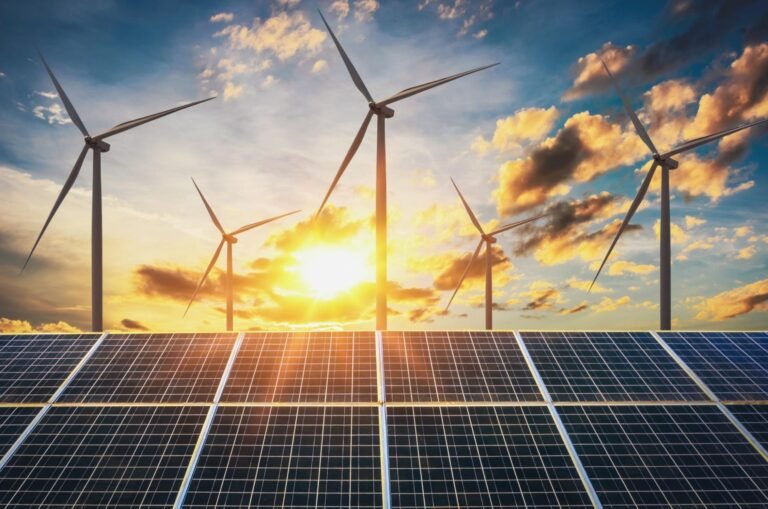


Billionaire Texas oilman T. Boone Pickens pitched his alternative energy plan on a day when the wind was gusting up to 40 mph and oil prices soared by more than $5 a barrel. He found a favorable audience.
Anthony Mihalsky drives 100 miles each day, commuting from a suburb north of the Californian city of Los Angeles into the city centre each morning and back again at the end of the day.
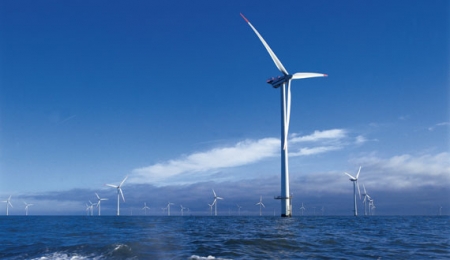
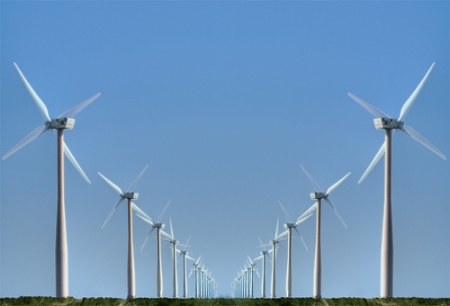
The wind towers made by Vestas Wind Systems can rise 30 stories in the air. A single unit can generate electricity to power 3,600 homes. A breeze of less than 10 mph can get the blades moving.
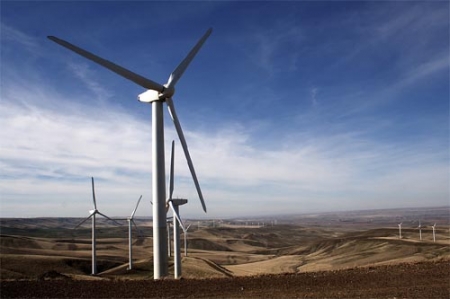
Thousands of acres of land in the U.S. have lain dormant over the years producing little or no income.

Move over, Chicago. Peoria could become the next Windy City. At least, that’s something local economic development leaders believe is worth looking into.
To get the recent $700 billion bailout passed, some “sweeteners” were added to the package by the Senate to attract votes from certain constituencies. Among them were $18 billion in tax breaks for businesses and individuals who want to make their homes an

General Electric’s wind energy division is trying to find a “Goldilocks” turbine design, one that’s not too big and not too small.
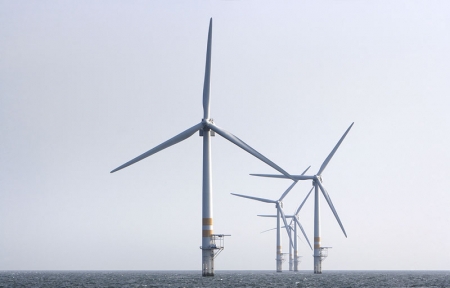
When the builders of the Maple Ridge Wind farm spent $320 million to put nearly 200 wind turbines in upstate New York, the idea was to get paid for producing electricity.
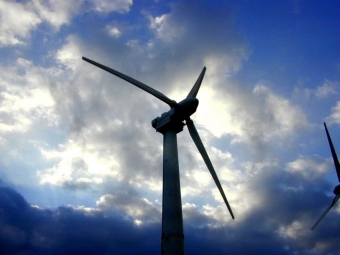
The Canadian Wind Energy Association (CanWEA) has outlined a future strategy for wind energy that would reach a capacity of 55,000 MW by 2025, fulfilling 20% of the country’s energy needs
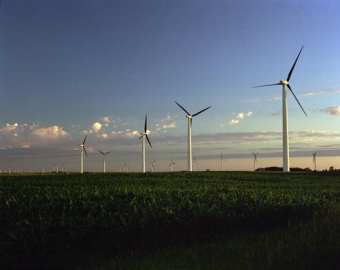
More than than 13,000 megawatts (mw) of energy capacity are stuck in the planning process, enough to power at least 7.5 million homes