

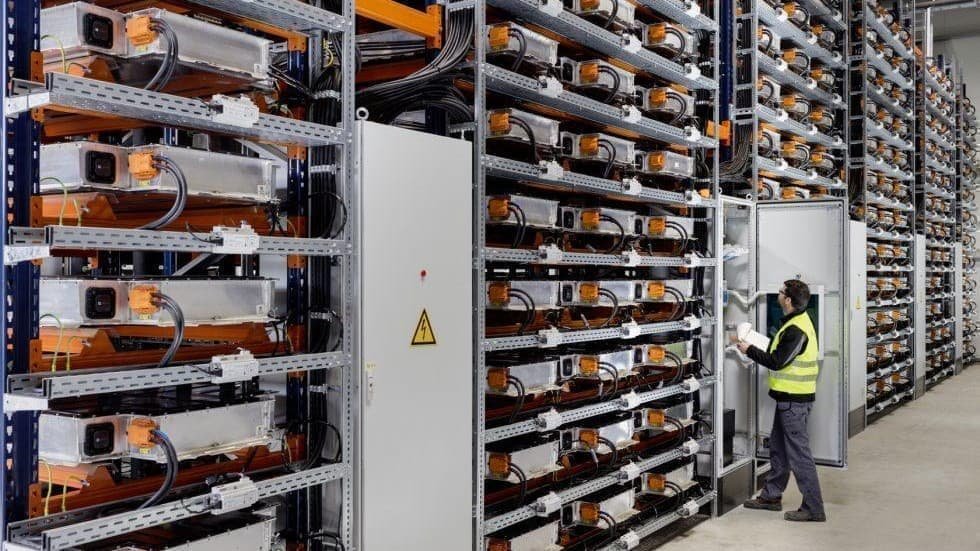
The world of renewable energy is constantly evolving, with advancements in technology shaping the way we generate and store power. One area that has seen significant growth in recent years is the use of second-life electric vehicle (EV) batteries in utility-scale storage projects. As the demand for clean energy solutions continues to rise, the question on many industry professionals’ minds is whether these second-life EV batteries are finally ready to be considered bankable for utility-scale storage.
Are Second-Life EV Batteries Ready for Utility-Scale Storage Projects?
Second-life EV batteries, also known as repurposed EV batteries, are batteries that have been removed from electric vehicles due to degradation but still have enough capacity to be used in other applications, such as energy storage. These batteries typically have a remaining capacity of around 70-80% of their original state, making them suitable for stationary storage solutions. The idea behind utilizing second-life EV batteries in utility-scale storage projects is to extend the lifespan of these batteries and maximize their value before recycling them.
One of the main challenges in using second-life EV batteries for utility-scale storage is ensuring their performance and reliability over an extended period of time. While these batteries may have a remaining capacity that makes them economically viable for storage applications, there are concerns about how they will perform in a grid-connected environment. Factors such as temperature management, charging and discharging cycles, and cell balancing become critical in ensuring the longevity and efficiency of these batteries in utility-scale storage projects. However, advancements in battery management systems and predictive analytics are helping to address these challenges and optimize the performance of second-life EV batteries.
Examining the Viability of Second-Life EV Batteries in Utility-Scale Storage
Despite the challenges, the potential benefits of using second-life EV batteries in utility-scale storage projects are significant. By repurposing these batteries, we can reduce waste and lower the overall cost of energy storage systems. Additionally, the availability of second-life EV batteries can help accelerate the deployment of utility-scale storage projects, which are essential for integrating renewable energy sources like solar and wind into the grid. With the right regulatory frameworks and technical solutions in place, second-life EV batteries have the potential to play a crucial role in the energy transition towards a more sustainable future.
In conclusion, the rise of second-life EV batteries in utility-scale storage projects presents a promising opportunity for the renewable energy industry. While there are still challenges to overcome in terms of performance and reliability, advancements in technology and a growing understanding of battery behavior are paving the way for these batteries to become a bankable solution for energy storage. As we look towards a future powered by clean energy, the use of second-life EV batteries could be a key piece of the puzzle in achieving a more sustainable and resilient energy system.
===OUTRO: