


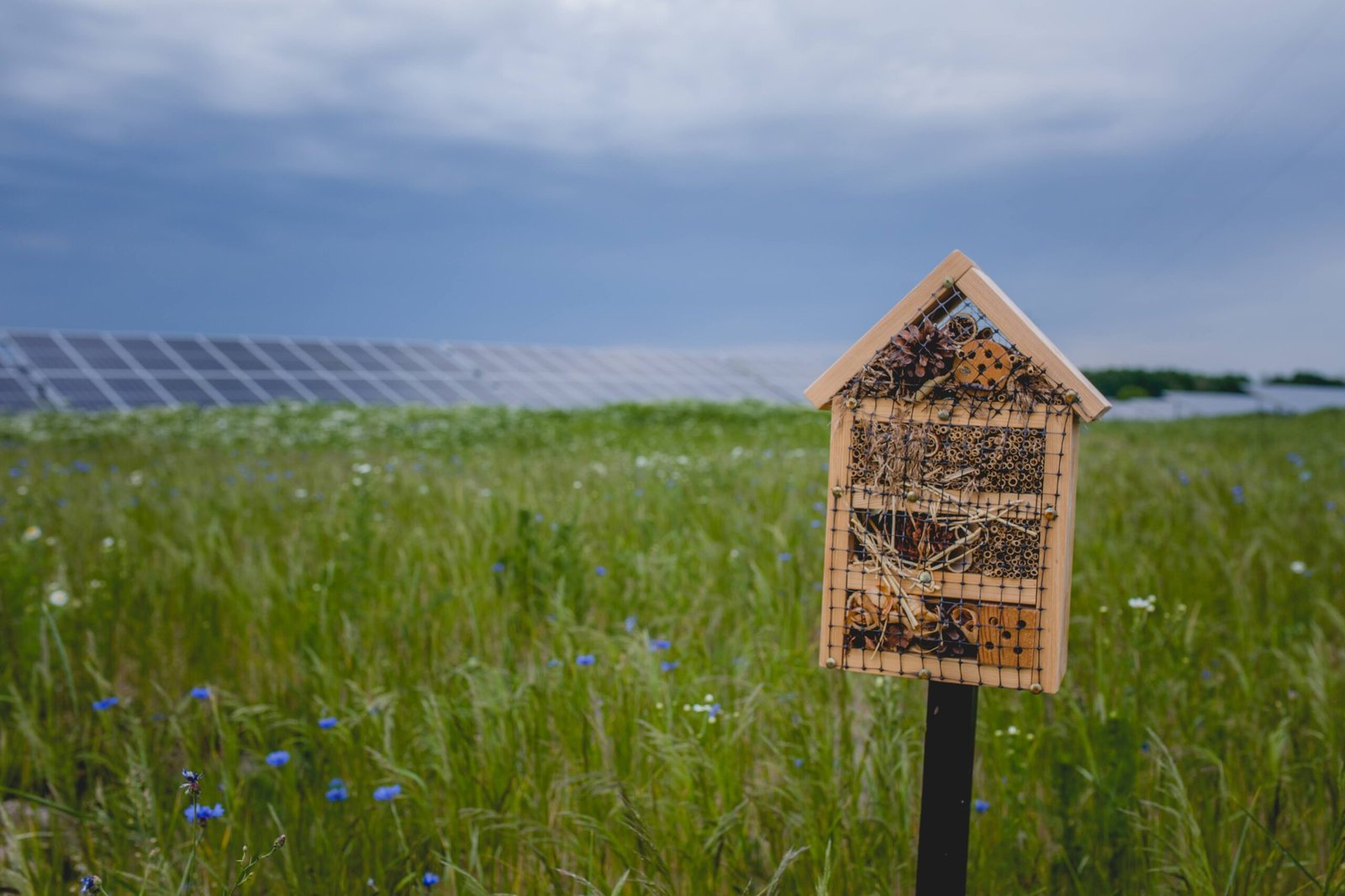
As the world transitions towards a more sustainable future, the integration of renewable energy sources like solar power has become increasingly prevalent. However, the expansion of solar farms has often been associated with negative impacts on local ecosystems, such as habitat destruction and loss of biodiversity. To address these concerns, a new approach known as "Biodiversity-First Agrivoltaics" is gaining traction in the renewable energy industry. By prioritizing the restoration and preservation of ecosystems, these innovative solar farm designs aim to not only generate clean energy but also contribute to biodiversity conservation.
Harnessing Biodiversity: The Evolution of Solar Farm Design
Traditionally, solar farms have been installed on large swaths of land, resulting in the clearing of vegetation and disruption of natural habitats. In contrast, Biodiversity-First Agrivoltaics focuses on incorporating native vegetation, pollinator-friendly plants, and wildlife habitats within and around solar installations. This approach not only helps to restore ecosystems but also provides additional benefits such as improved soil health, carbon sequestration, and enhanced water retention.
One notable example of this approach can be seen in certain regions of Europe, where solar developers are working closely with ecologists and conservationists to design solar farms that support local biodiversity. By integrating nature into solar farm design from the outset, these projects are able to function as ecological corridors, allowing wildlife to move freely across the landscape. This not only benefits local flora and fauna but also enhances the overall resilience of ecosystems in the face of climate change.
Integrating Nature: Strategies for Sustainable Solar Development
In addition to supporting biodiversity, Biodiversity-First Agrivoltaics also offer practical benefits for solar developers and landowners. By incorporating vegetation and wildlife habitats, these solar farms can help to reduce maintenance costs, increase energy production efficiency, and improve the overall aesthetics of the site. Furthermore, the presence of diverse plant species can help to mitigate the impact of extreme weather events, such as flooding or droughts, by enhancing soil health and water retention.
To further promote the adoption of Biodiversity-First Agrivoltaics, policymakers in Europe are increasingly recognizing the importance of ecosystem restoration in solar development. New regulations and incentives are being introduced to encourage solar developers to prioritize biodiversity conservation in their projects. By aligning economic incentives with environmental goals, these policies are driving a shift towards more sustainable and resilient solar farms that benefit both people and the planet.
As the renewable energy industry continues to innovate and evolve, Biodiversity-First Agrivoltaics represents a promising pathway towards a more sustainable future. By harnessing the power of nature and integrating biodiversity into solar farm design, we can not only generate clean energy but also restore and protect ecosystems for generations to come. With the right strategies, regulations, and collaborations in place, we can ensure that solar energy development goes hand in hand with biodiversity conservation, paving the way for a greener and more resilient world.