
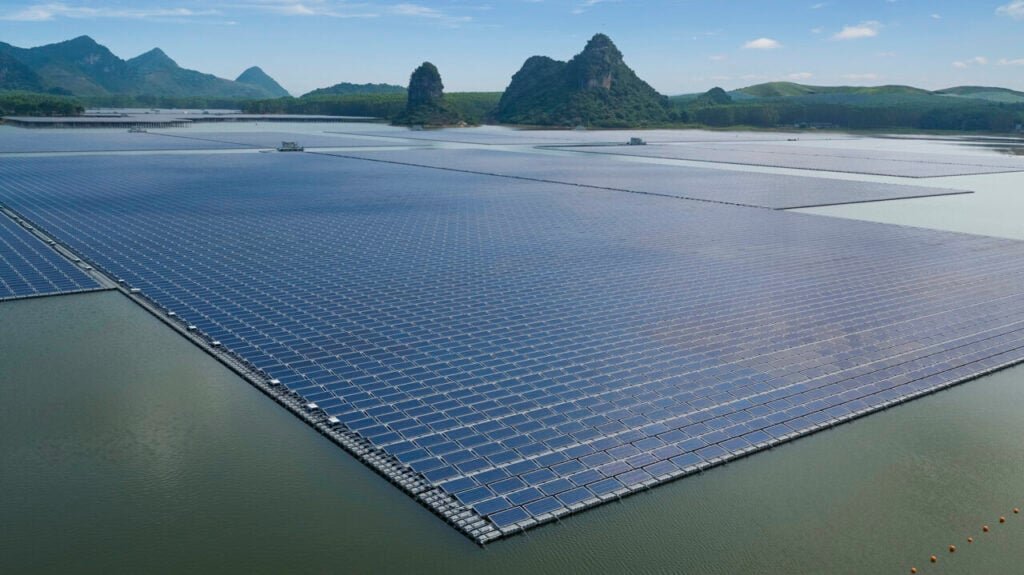
As the floating photovoltaic (PV) industry continues to grow and expand across Europe, insurers are taking notice of the unique risks associated with these innovative projects. In an effort to mitigate potential liabilities and protect their investments, insurers are pushing for higher mooring standards in the floating PV sector. This shift towards more stringent guidelines is driving innovation and setting the bar high for industry players to meet these new standards.
Evolving Standards: Insurers React to Risks in Floating PV Industry
Insurers are increasingly recognizing the need to address the specific risks posed by floating PV installations. Traditional insurance policies may not adequately cover the complexities of these projects, which are subject to a unique set of challenges such as changing water levels, wave action, and extreme weather conditions. By raising mooring standards, insurers aim to reduce the likelihood of equipment failure, structural damage, and other potential risks that could lead to costly insurance claims.
In response to these evolving risks, insurers are collaborating with industry stakeholders to develop comprehensive risk modeling frameworks that take into account the specific characteristics of floating PV installations. By incorporating data on mooring systems, anchoring methods, and site-specific conditions, insurers can more accurately assess the risks associated with these projects and tailor insurance policies to better protect against potential losses. This proactive approach not only benefits insurers by reducing their exposure to risk but also provides project developers and investors with greater confidence in the long-term viability of floating PV installations.
Setting the Bar High: Mooring Standards Drive Floating PV Innovation
The push for higher mooring standards in the floating PV industry is not just about reducing risk; it is also driving innovation and pushing the boundaries of what is possible in renewable energy development. By setting stringent guidelines for mooring systems, insurers are incentivizing technology providers and project developers to explore new design concepts, materials, and installation methods that can enhance the resilience and longevity of floating PV installations. This focus on innovation is crucial for the continued growth and success of the floating PV sector, as it encourages the adoption of best practices and fosters a culture of continuous improvement within the industry.
In order to meet the heightened mooring standards set by insurers, project developers and technology providers must invest in research and development to optimize their designs and ensure compliance with industry regulations. This investment in innovation not only benefits individual projects by reducing the likelihood of costly failures but also contributes to the overall maturity and sustainability of the floating PV industry. As insurers continue to raise the bar for mooring standards, industry players will be challenged to keep pace with these evolving requirements and demonstrate their commitment to safety, reliability, and long-term performance in floating PV installations.
As insurers push for higher mooring standards in the floating PV industry, the sector is poised for continued growth and innovation in the coming years. By addressing the unique risks associated with floating PV installations and driving the development of more resilient mooring systems, insurers are helping to build a more sustainable and secure future for renewable energy development. With a focus on collaboration, innovation, and compliance with industry standards, the floating PV industry is well-positioned to meet the challenges of tomorrow and deliver clean, reliable energy solutions for years to come.