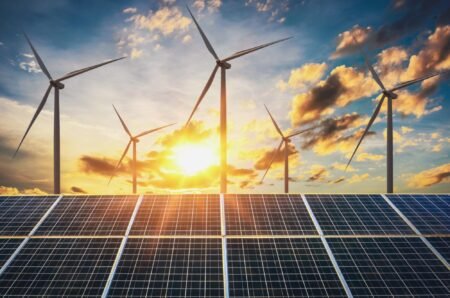

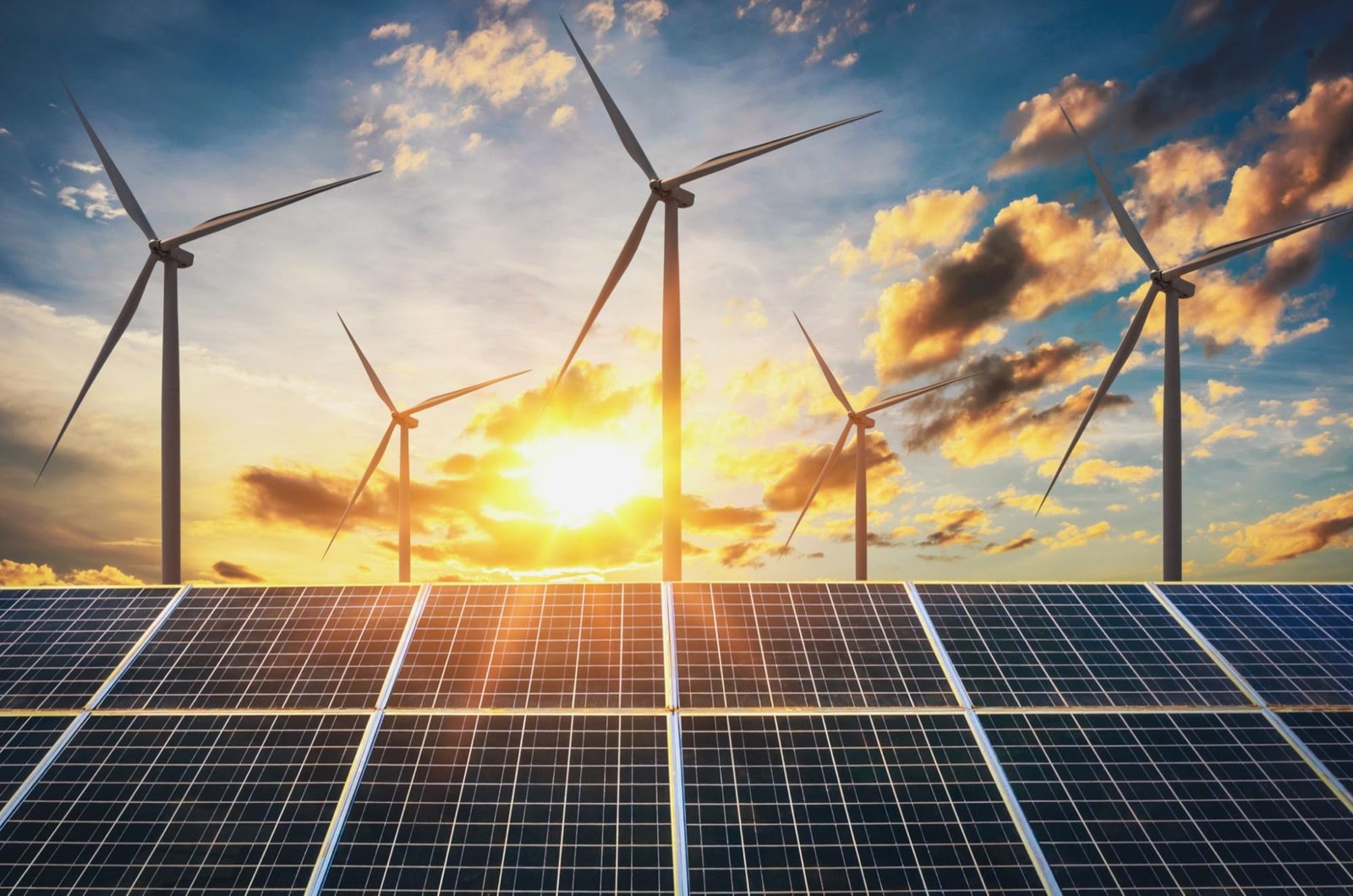
As energy costs are projected to rise again, surpassing levels seen during the previous energy crisis, a new technological development may offer a glimmer of hope for industries struggling with emissions. A high-density solar thermal system has been introduced, which promises to significantly reduce industrial heat emissions. This innovation comes at a time when discussions around greenhouse gas emissions are intensifying, with various stakeholders questioning the effectiveness of current policies and technologies.
In addition to the solar thermal system, the energy sector is witnessing a variety of initiatives aimed at addressing rising costs and environmental impacts. Water Plus, a company focused on water management strategies, is advocating for smarter water use as a means to combat increasing expenses associated with energy production and consumption.
Recent reports indicate that the carbon pricing market in Europe is experiencing a downturn, as leaders debate potential reforms to the Emissions Trading System (ETS). This uncertainty in carbon pricing could further complicate efforts to meet net-zero targets. Meanwhile, electric vehicles (EVs) and heat pumps are being scrutinized for their effectiveness in driving significant reductions in emissions, with some experts suggesting that these technologies alone may not be sufficient to achieve net-zero goals.
In the UK, Brighton & Hove has launched a city-wide energy partnership initiative aimed at fostering collaboration among local stakeholders to enhance energy efficiency and sustainability. This move reflects a growing recognition of the need for collective action in addressing climate change at the community level.
As the energy landscape continues to evolve, events such as The Big Zero Show in London on March 24th will provide platforms for industry leaders to share best practices and explore innovative solutions. The event is free for end users, emphasizing the importance of accessibility in the transition to sustainable energy practices.
In the midst of these developments, the conversation around measuring and reporting carbon footprints for small and medium enterprises (SMEs) is gaining traction. Simplifying the process for SMEs to understand and act on their emissions is crucial for broader participation in sustainability efforts.
As the world grapples with the complexities of energy management and climate change, the introduction of new technologies and collaborative initiatives will be key in navigating the path toward a more sustainable future.
This article was submitted via the World of Renewables press desk.
You can join now and receive a FREE HTML email send to 10,000 contacts of your choice (normally £1,900).