

Agrivoltaics, the practice of co-locating solar panels with agriculture, offers a promising solution to maximize land use efficiency for both energy generation and food production. By integrating photovoltaic systems with agricultural activities, agrivoltaics can significantly increase overall efficiency, reduce water usage, and generate additional revenue streams for farmers. In this article, we will delve into the concept of agrivoltaics and explore how these dual-use systems can revolutionize the way we approach energy and agriculture integration.
Agrivoltaics: Integrating Energy and Agriculture
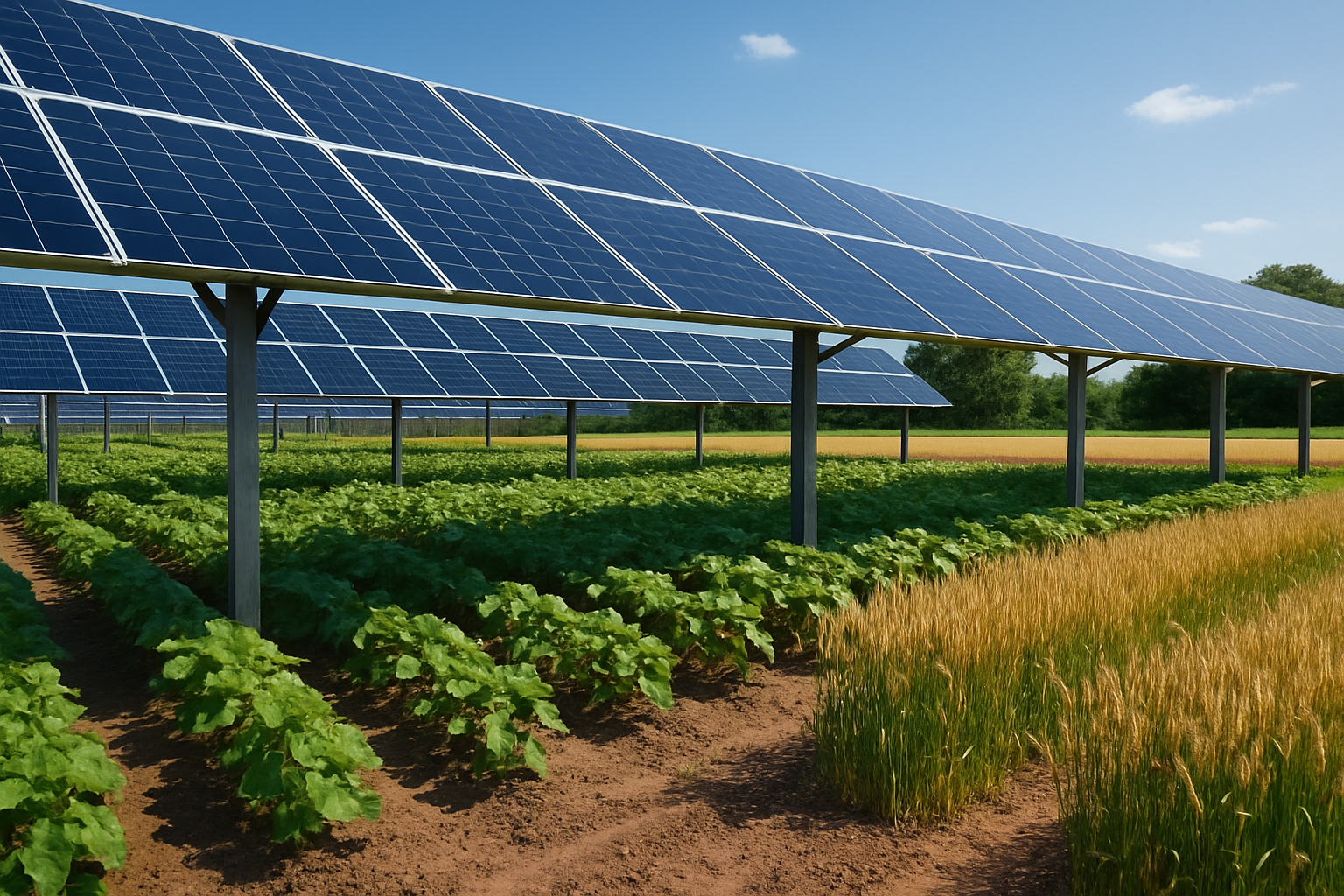
Agrivoltaics, also known as agrophotovoltaics, involve the simultaneous use of land for solar energy production and agriculture. By installing solar panels on elevated structures above crops or on the ground between rows of plants, farmers can harness renewable energy while maintaining agricultural productivity. This innovative approach enables farmers to optimize land use, increase crop yields, and generate additional income from selling electricity back to the grid.
One of the key advantages of agrivoltaics is its ability to address land scarcity issues by allowing farmers to maximize the use of available space. By utilizing the same piece of land for both solar energy production and agriculture, agrivoltaics offer a sustainable solution to the competing demands for land use. This integrated approach not only helps conserve valuable agricultural land but also reduces the need for land conversion for solar energy projects, thus preserving natural habitats and biodiversity.
Improving Efficiency with Dual-Use Systems
Agrivoltaics offer a range of benefits beyond land use efficiency. By providing shade to crops, solar panels can help reduce water evaporation, maintain soil moisture, and protect plants from extreme weather conditions. This can lead to increased crop yields, improved crop quality, and reduced water usage in agricultural operations. Additionally, the combination of solar energy production and agriculture can enhance overall farm resilience by diversifying revenue streams and reducing dependency on traditional farming practices. This integrated approach to energy and agriculture not only boosts efficiency but also promotes sustainability and climate resilience in the agricultural sector.
In conclusion, agrivoltaics represent a groundbreaking innovation that can revolutionize the way we approach energy and agriculture integration. By maximizing land use efficiency, increasing crop yields, and reducing water usage, dual-use systems offer a sustainable solution to the challenges facing the agricultural sector. As we continue to explore the potential of agrivoltaics, it is crucial to invest in research, innovation, and policy support to scale up these integrated systems and unlock their full potential. With the right approach and commitment to sustainability, agrivoltaics can play a key role in building a more resilient, efficient, and sustainable energy and agriculture landscape for the future.