


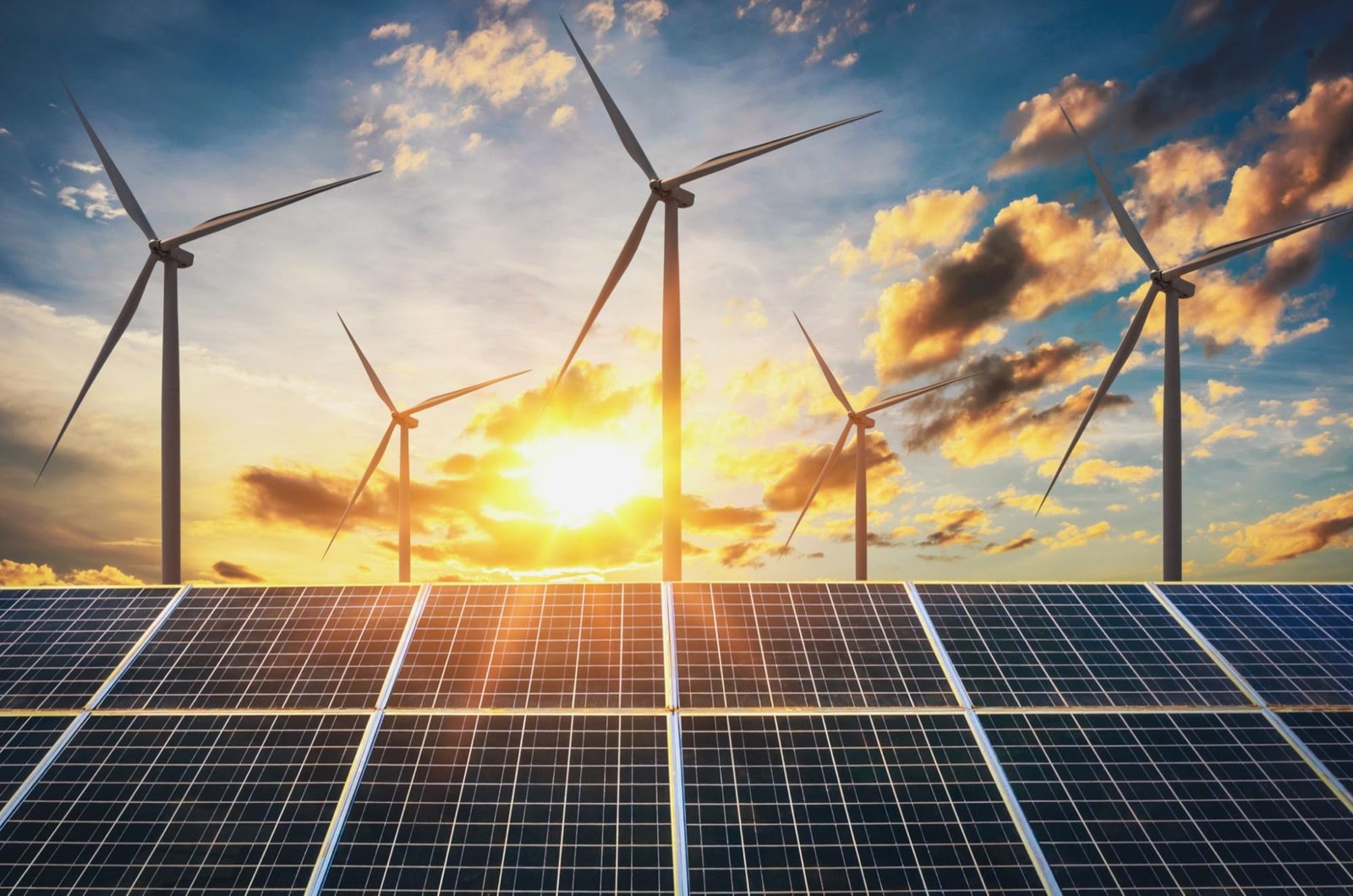
The wind energy industry is increasingly prioritizing circularity as a key component of its sustainability efforts. With wind power recognized as one of the most eco-friendly forms of electricity generation, the sector is now focusing on ensuring that the materials used in wind turbines, particularly the blades, are reused or recycled effectively at the end of their lifecycle.
Currently, approximately 90% of a wind turbine’s mass is recyclable through established waste management practices. However, the industry is aiming to enhance this figure further. A significant initiative is the commitment to a Europe-wide landfill ban on decommissioned wind turbine blades, which will ensure that these materials are either reused, repurposed, or recycled within the continent.
Gian Marco Gioffrè, Sustainability Advisor at WindEurope, emphasized the importance of these efforts, stating that they reflect a genuine commitment to circularity in the wind energy sector. Over recent months, representatives from WindEurope have been visiting various pioneering companies across Europe that are actively working on innovative solutions for the end-of-life management of wind turbine blades. These efforts include recycling old blades, refurbishing turbines for resale in the second-hand market, and transforming blades into urban furniture and other creative products.
The initiative aims to demonstrate that wind turbine blades can have a sustainable end-of-life and that these practices are already being implemented. WindEurope has launched a dedicated Circularity page on its website, which serves as a resource for tracking the industry’s progress in this area. The page features videos and stories from various members of WindEurope, showcasing their contributions to circularity and sustainability within the wind energy value chain.
As the wind energy sector continues to evolve, the focus on circular economy practices is expected to grow, with more initiatives and success stories anticipated in the near future. This movement not only highlights the industry’s commitment to sustainability but also sets a precedent for other sectors to follow suit in their environmental responsibilities.
This article was submitted via the World of Renewables press desk.
You can join now and receive a FREE HTML email send to 10,000 contacts of your choice (normally £1,900).