US Energy Department Allocates $2 Billion to Enhance Aging Power Grid
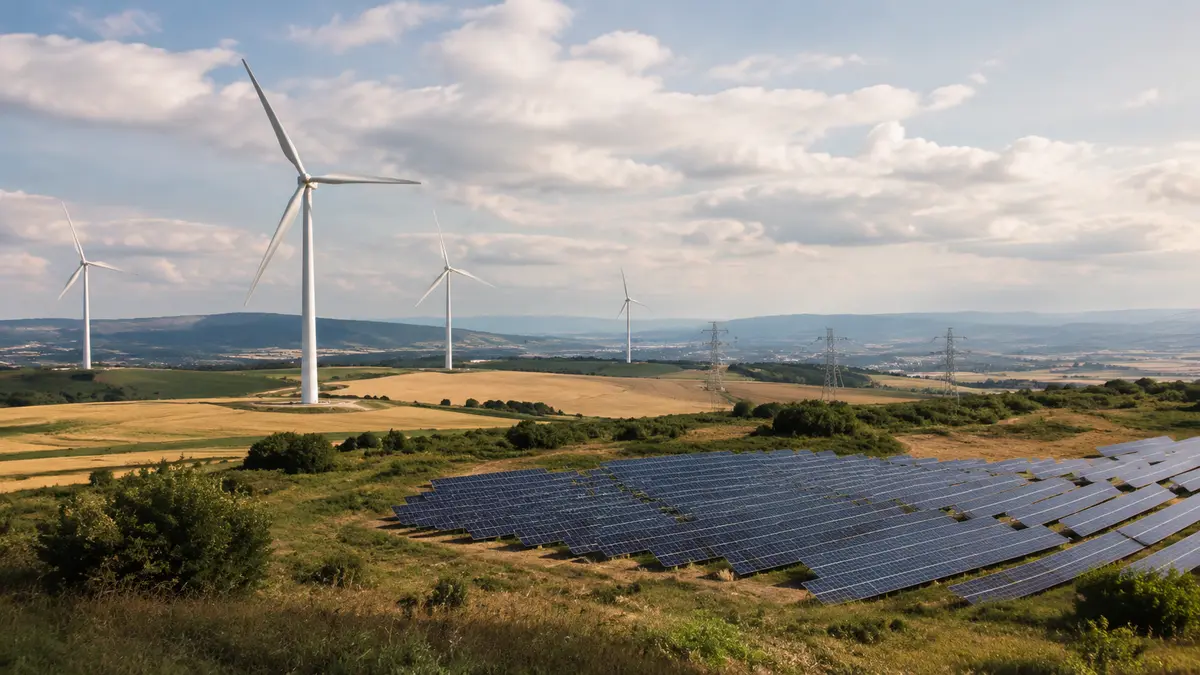
In a significant move to bolster the United States’ electricity supply, the Energy Department has announced an investment of nearly $2 billion aimed at enhancing the nation’s aging power grid. This initiative comes as the demand for electricity surges, driven in part by the rapid expansion of artificial intelligence (AI) technologies and the associated data centres that require substantial power.
### Investment Overview
The funding will be allocated to 31 projects across 26 states, with the expectation that these initiatives will generate over 23 gigawatts of additional electricity capacity. This increase is projected to be sufficient to power approximately 16 million homes. The projects will incorporate advanced technologies, including sensors and other devices designed to monitor real-time weather conditions. Such innovations will facilitate safer transmission of electricity and enable the redirection of power away from congested or overloaded areas of the grid.
Energy Secretary Chris Wright emphasised the importance of these investments, stating that they will optimise existing infrastructure, enhance the movement of electricity across the grid, and ultimately provide affordable and reliable power to millions of Americans. This initiative is seen as a crucial step in ensuring the stability of the power supply in the face of growing energy demands.
### Addressing Rising Demand
The announcement comes at a time when the increasing energy requirements of AI and data centres are raising concerns about the potential for blackouts. The rapid establishment of new data centres is outpacing the construction of new power plants, leading to fears that the existing grid may not be able to cope with the escalating demand. Additionally, electricity bills are reportedly rising faster than inflation in various regions, with some areas attributing these increases to the energy consumption of data centres.
The opposition to data centres has been mounting in communities across the country, complicating the plans of major tech companies and influencing the political landscape ahead of upcoming elections. Despite this backlash, former President Donald Trump has continued to advocate for the establishment of data centres, arguing that communities without them risk falling behind economically.
### Regulatory and Utility Challenges
In response to the challenges posed by rising demand, Congress and several states are urging regulators to mandate that utilities adopt new technologies and components to enhance grid efficiency. Critics of utility companies argue that these firms often prefer to invest in new power plants and infrastructure projects, which are more lucrative, rather than pursuing efficiency improvements that could better serve new customers without necessitating additional power sources.
The projects funded by the Energy Department will involve enhancements to over 1,500 miles (approximately 2,400 kilometres) of transmission lines and technological upgrades across nearly 21,000 miles (around 34,000 kilometres) of the grid. The selection of projects prioritised for funding was based on their potential for rapid implementation, reflecting a strategic approach to address immediate energy needs.
### Funding and Future Prospects
The financial backing for these grants is derived from the bipartisan infrastructure law enacted by Congress during President Biden’s administration. The $1.9 billion in federal funding will be complemented by an additional $3.35 billion in cost-sharing contributions from the project recipients, highlighting a collaborative effort to enhance the power grid.
Looking ahead, Trump’s administration has expressed a commitment to “unleashing” the energy sector, with plans to increase domestic oil and gas production, relax pollution regulations on power plants, and extend the operational lifespan of coal-fired power plants. Furthermore, there are ongoing efforts to facilitate the connection of data centres to power plants and high-voltage power lines, as well as to repurpose Cold War-era uranium enrichment facilities for use as data centre and power plant complexes.
In a related development, the Environmental Protection Agency (EPA) under Trump’s leadership has proposed measures that could limit public access to information regarding proposed AI data centres, potentially reducing community input on these projects.
### Conclusion
The Energy Department’s investment in the power grid represents a proactive approach to addressing the challenges posed by increasing energy demands and the rapid growth of data centres. By enhancing the efficiency and capacity of the existing infrastructure, the initiative aims to ensure a reliable and affordable electricity supply for millions of Americans, while also navigating the complexities of regulatory and community opposition. As the energy landscape continues to evolve, the success of these projects will be critical in shaping the future of the nation’s power supply.
Source: Renewable Energy World