SP Energy Networks Initiates Peatland Restoration at Buccleuch Estate to Mitigate Flood Risks
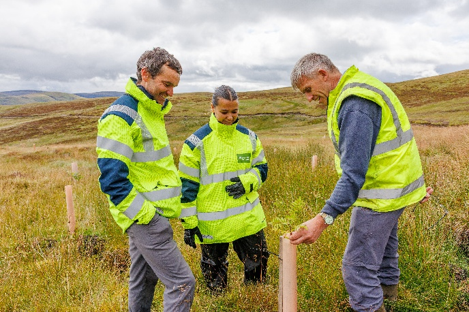
SP Energy Networks is taking significant steps to mitigate flood risks for homes and businesses in southern Scotland by supporting a peatland restoration initiative at the historic Buccleuch Estate in Dumfries and Galloway. This project, which encompasses an area of 46 hectares—equivalent to over 60 football pitches—aims to restore the natural water retention capabilities of the peatland, thereby reducing the flow of water into surrounding valleys and rivers, including the River Nith.
Restoration Efforts at Buccleuch Estate
The restoration project is situated within the Queensberry Estate, located near Drumlanrig Castle. Historically, parts of this upland peatland have suffered degradation due to past land management practices, which have resulted in increased water flow into nearby areas, exacerbating flood risks for local communities.
The initiative seeks to re-wet the land, allowing the peat to regain its natural sponge-like ability to absorb and retain water. By slowing the movement of water downhill, the project aims to stabilise local streams and reduce the likelihood of sudden surges that can lead to flooding.
Environmental and Community Benefits
In addition to flood risk reduction, the restoration work is expected to enhance water quality in local rivers, benefiting wildlife and fisheries. Healthy peatlands are crucial for supporting a diverse range of plant and animal species, and their restoration can prevent the loss of peat, which is vital for carbon storage and climate regulation.
Adrian Dolby, Head of Agriculture at Buccleuch, emphasised the importance of this project, stating, “This is an important area within the Queensberry Estate that has been significantly impacted by historic land management practices. By restoring the peatland, we are helping to reinstate its natural ability to hold water, reducing flooding and supporting the return of wildlife habitats. We’re proud to be working with SP Energy Networks on a project that delivers long-term benefits for both the environment and local communities.”
Collaboration and Future Prospects
This project marks the first collaboration between SP Energy Networks and Buccleuch Estate, with both parties exploring further opportunities for nature restoration and biodiversity enhancement. Gill Renwick, Sustainability Manager at SP Energy Networks, highlighted the organisation’s commitment to community welfare and environmental protection, stating, “Our communities are at the heart of everything we do and we’re committed to playing our part in supporting both climate resilience for those living and working nearby, and the protection of local wildlife.”
Renwick added, “Projects like this show how restoring natural landscapes can help reduce flood risk and bring real benefits for local communities. We’re pleased to see the work is progressing well. This will help protect homes and businesses for generations to come.”
Implementation and Techniques
The restoration process will involve carefully designed techniques aimed at slowing water flow and re-profiling drainage channels. All work will be conducted by specialist contractors using low-impact machinery that is suitable for sensitive peatland environments. This approach ensures that the restoration efforts are both effective and environmentally responsible.
SP Energy Networks’ Commitment to Nature
This peatland restoration project is part of SP Energy Networks’ broader Action Plan for Nature, which aims to align infrastructure investments with the protection and enhancement of the natural environment. By integrating ecological considerations into their operations, SP Energy Networks is demonstrating a commitment to sustainability and the well-being of local ecosystems.
As the project progresses, it is expected to yield significant benefits not only for the environment but also for the communities that rely on the health of these natural landscapes. The collaboration between SP Energy Networks and Buccleuch Estate serves as a model for future initiatives aimed at restoring degraded ecosystems and enhancing resilience against climate-related challenges.
This article was submitted via the World of Renewables press desk.
You can join now and receive a FREE HTML email send to 10,000 contacts of your choice (normally £1,900).