

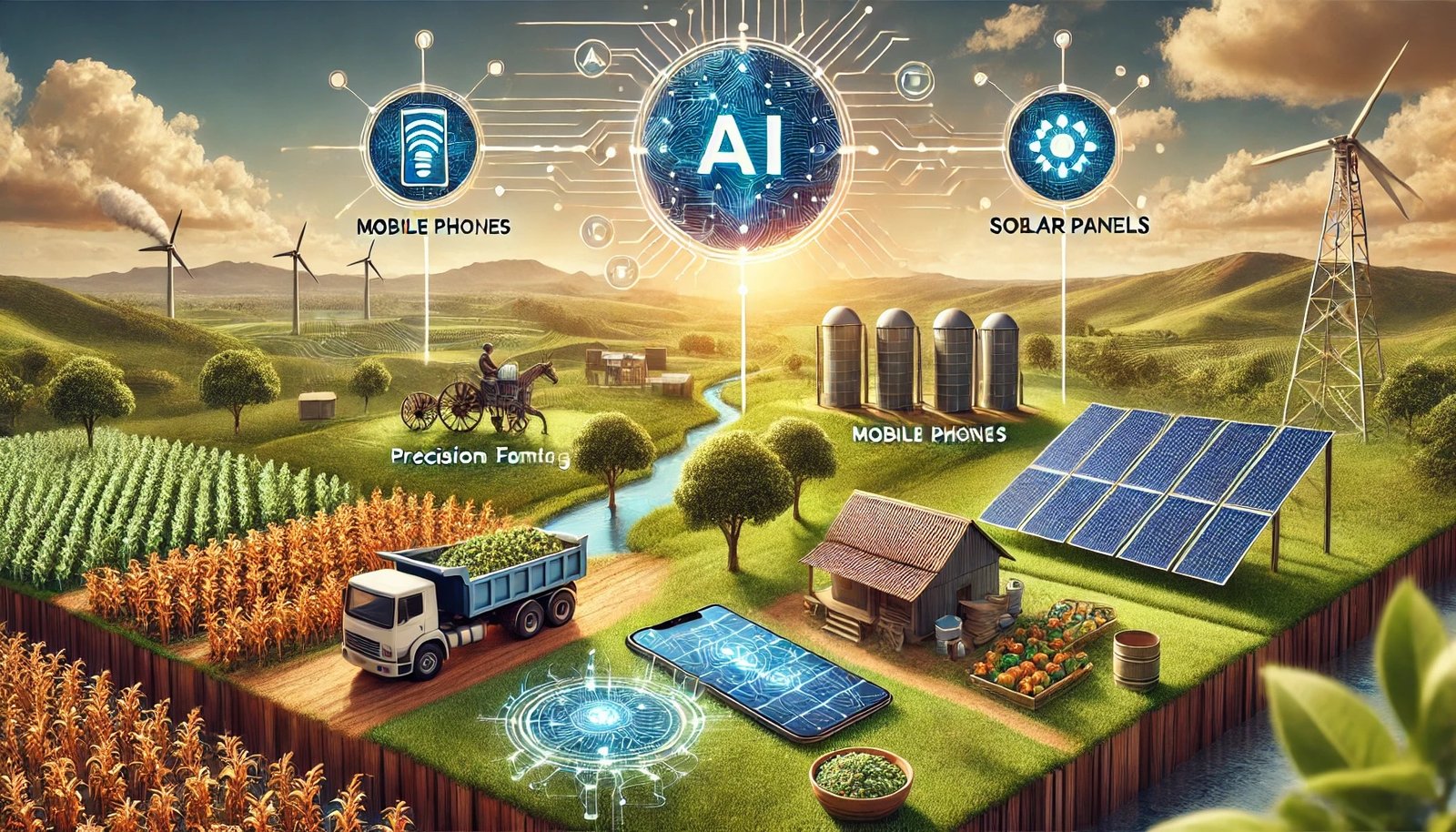
In the quest for sustainable energy solutions, the combination of agriculture and solar energy in agrivoltaics has shown great promise. By integrating solar panels into agricultural lands, farmers can generate renewable energy while still cultivating crops. However, optimizing the performance of both the crops and solar panels in agrivoltaic systems can be challenging. This is where artificial intelligence (AI) strategies come into play, offering innovative solutions to maximize crop yield and solar energy efficiency simultaneously.
AI Strategies for Enhanced Agrivoltaic Yield Optimization
One key area where AI is making a significant impact in agrivoltaics is through yield modelling. By utilizing AI algorithms, farmers and energy producers can analyze vast amounts of data to optimize the positioning of solar panels and crops for maximum efficiency. AI can take into account factors such as sunlight exposure, soil quality, water availability, and crop requirements to create models that predict the best layout for agrivoltaic systems. These models can help farmers make informed decisions that lead to increased crop yield and solar energy production.
Another AI strategy that is proving to be beneficial in agrivoltaics is the use of predictive analytics. By leveraging real-time data from sensors, drones, and weather forecasts, AI algorithms can predict crop growth patterns, energy production levels, and potential risks to the system. This predictive capability allows farmers to make adjustments in irrigation, shading, or panel orientation to optimize both crop growth and solar energy output. By continuously analyzing and adapting to changing conditions, AI can help achieve a delicate balance between maximizing agricultural productivity and energy generation in agrivoltaic systems.
Balancing Crop Growth and Solar Energy Efficiency with AI
One of the main challenges in agrivoltaics is striking a balance between crop growth and solar energy efficiency. AI strategies offer a solution by providing dynamic optimization of the system based on real-time data. For example, AI algorithms can adjust the tilt angle of solar panels to allow more sunlight to reach the crops during critical growth stages, while still maintaining high energy production levels. This dynamic approach ensures that both the agricultural and energy aspects of the system are optimized for maximum performance.
Furthermore, AI can help in monitoring the overall health of the agrivoltaic system by detecting potential issues such as shading from neighboring trees, pest infestations, or equipment malfunctions. By flagging these issues early on, farmers can take corrective actions to prevent crop damage or energy loss. Additionally, AI can optimize energy storage and distribution in agrivoltaic systems, ensuring that excess energy is stored efficiently for later use or fed back into the grid. By fine-tuning the system with AI-driven strategies, farmers and energy producers can achieve a harmonious balance between crop growth and solar energy efficiency in agrivoltaics.
As the demand for sustainable energy solutions continues to rise, agrivoltaics powered by AI strategies offer a promising pathway towards achieving both agricultural productivity and renewable energy generation. By harnessing the power of artificial intelligence for yield modelling, predictive analytics, and dynamic optimization, farmers and energy producers can unlock the full potential of agrivoltaic systems. With a focus on European references, innovative technologies, and regulatory changes, the integration of AI in agrivoltaics is set to revolutionize the way we approach energy production and food cultivation in the years to come.