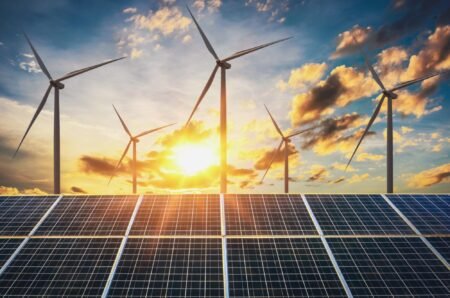



Extreme weather events in Europe have highlighted the importance of developing storm-resilient floating PV engineering solutions. As renewable energy continues to play a crucial role in the global energy transition, it is essential to learn from past experiences and adapt our engineering practices to withstand the challenges posed by severe weather conditions. In this article, we will explore the lessons learned from Europe’s extreme weather events and how they have influenced the development of storm-resilient floating PV systems.
Engineering Innovations in Storm-Resilient Floating PV Systems
In the face of increasingly unpredictable weather patterns, engineers in Europe have been focusing on developing innovative solutions to make floating PV systems more resilient to storms. One key engineering innovation that has emerged is the use of advanced anchoring systems that can withstand strong winds and turbulent waters. By designing floating PV systems with robust anchoring mechanisms, engineers can ensure that these systems remain stable and secure during extreme weather events, reducing the risk of damage and downtime.
Another important aspect of storm-resilient floating PV engineering is the use of flexible and modular designs that can adapt to changing environmental conditions. By incorporating flexible components into the design of floating PV systems, engineers can minimize the impact of storms and high winds on the overall structure. This flexibility allows floating PV systems to adjust to varying water levels and wave heights, ensuring that they can continue to operate efficiently even in the face of adverse weather conditions.
Mitigating Risks: Lessons Learned from Europe’s Extreme Weather Events
Europe has experienced a number of extreme weather events in recent years, including severe storms, heavy rainfall, and flooding. These events have highlighted the vulnerabilities of traditional PV systems and the need for more resilient engineering solutions. By studying the impact of these extreme weather events, engineers have been able to identify key areas of improvement in floating PV design, such as enhanced anchoring systems, flexible components, and improved monitoring and maintenance practices.
One important lesson learned from Europe’s extreme weather events is the importance of proactive maintenance and monitoring of floating PV systems. By implementing regular inspections and maintenance procedures, engineers can identify potential issues before they escalate into major problems during storms. Additionally, the use of advanced monitoring technologies, such as drones and remote sensors, can provide real-time data on the condition of floating PV systems, allowing for timely intervention and maintenance. By incorporating these lessons into their engineering practices, professionals in Europe can develop more resilient and reliable floating PV systems that can withstand the challenges posed by extreme weather events.
As Europe continues to experience extreme weather events due to climate change, the need for storm-resilient floating PV engineering solutions has never been greater. By learning from past experiences and incorporating innovative engineering practices, professionals in the renewable energy industry can develop more resilient floating PV systems that can withstand the challenges posed by severe weather conditions. With a focus on advanced anchoring systems, flexible designs, proactive maintenance, and monitoring practices, engineers can ensure that floating PV systems remain stable, secure, and efficient in the face of unpredictable weather patterns.