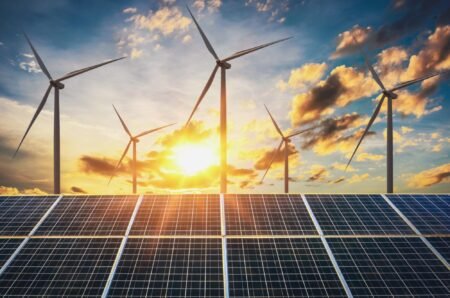

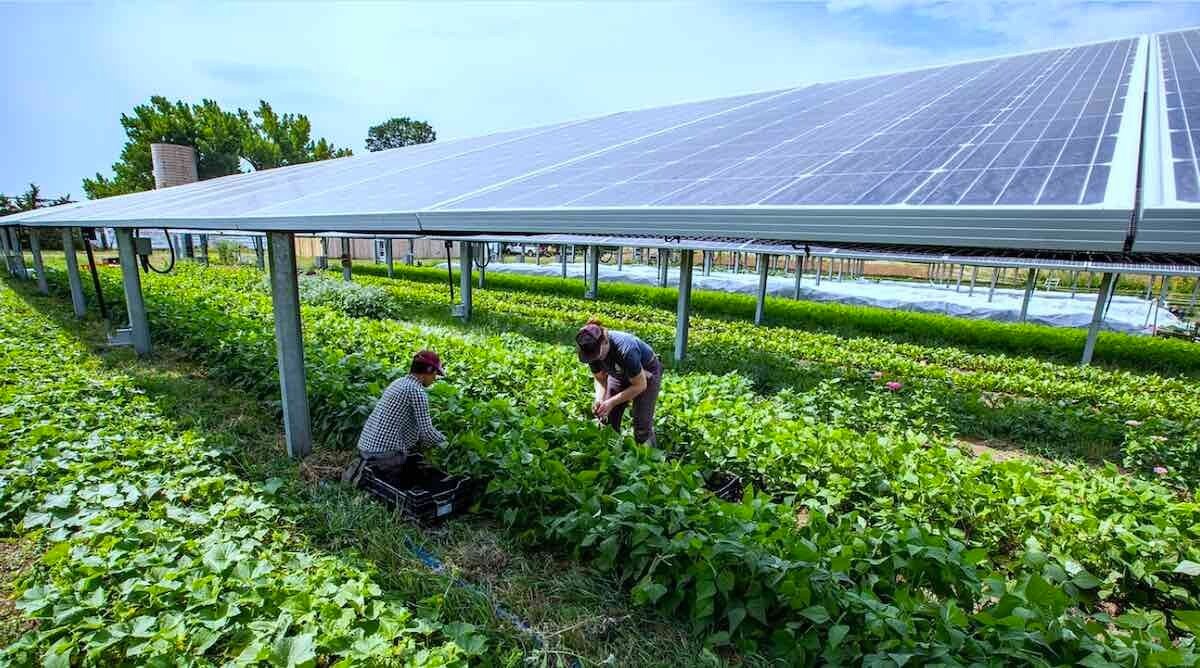
Livestock-Friendly Agrivoltaic Engineering Designs in the EU are rapidly emerging as a innovative solution to maximize land use efficiency, increase renewable energy generation, and promote sustainable agriculture practices. With the growing focus on reducing carbon emissions and increasing renewable energy capacity, agrivoltaics have gained significant traction in Europe. In this article, we will delve deep into the engineering designs that are shaping the agrivoltaic landscape across the EU, exploring the market trends and regulatory updates for 2024-2025.
Livestock-Friendly Agrivoltaics in the EU are paving the way for innovative engineering solutions that combine solar photovoltaic technology with agricultural practices. By integrating solar panels with livestock grazing areas or crop fields, farmers can optimize land use, generate clean energy, and provide shade or shelter for animals. These designs not only promote sustainable land management but also offer economic benefits to farmers by diversifying their income streams.
One of the key market trends in the EU for agrivoltaics is the increasing adoption of floating PV systems, especially in water bodies such as reservoirs, lakes, and irrigation ponds. These systems not only conserve land space but also reduce water evaporation, improve water quality, and enhance overall system efficiency. Regulatory updates in Europe are also supporting the growth of agrivoltaics through incentives, subsidies, and grid integration policies that encourage the deployment of renewable energy systems with minimal environmental impact. Industry professionals can leverage these trends and updates to drive innovation, reduce costs, and accelerate the transition to a sustainable energy future.
Livestock-Friendly Agrivoltaic Engineering Designs in the EU: A Deep Dive
Livestock-Friendly Agrivoltaics in the EU are paving the way for innovative engineering solutions that combine solar photovoltaic technology with agricultural practices. By integrating solar panels with livestock grazing areas or crop fields, farmers can optimize land use, generate clean energy, and provide shade or shelter for animals. These designs not only promote sustainable land management but also offer economic benefits to farmers by diversifying their income streams.
One of the key market trends in the EU for agrivoltaics is the increasing adoption of floating PV systems, especially in water bodies such as reservoirs, lakes, and irrigation ponds. These systems not only conserve land space but also reduce water evaporation, improve water quality, and enhance overall system efficiency. Regulatory updates in Europe are also supporting the growth of agrivoltaics through incentives, subsidies, and grid integration policies that encourage the deployment of renewable energy systems with minimal environmental impact. Industry professionals can leverage these trends and updates to drive innovation, reduce costs, and accelerate the transition to a sustainable energy future.
Market Trends and Regulatory Updates for Agrivoltaics in Europe: 2024-2025
Livestock-Friendly Agrivoltaics in the EU are paving the way for innovative engineering solutions that combine solar photovoltaic technology with agricultural practices. By integrating solar panels with livestock grazing areas or crop fields, farmers can optimize land use, generate clean energy, and provide shade or shelter for animals. These designs not only promote sustainable land management but also offer economic benefits to farmers by diversifying their income streams.
One of the key market trends in the EU for agrivoltaics is the increasing adoption of floating PV systems, especially in water bodies such as reservoirs, lakes, and irrigation ponds. These systems not only conserve land space but also reduce water evaporation, improve water quality, and enhance overall system efficiency. Regulatory updates in Europe are also supporting the growth of agrivoltaics through incentives, subsidies, and grid integration policies that encourage the deployment of renewable energy systems with minimal environmental impact. Industry professionals can leverage these trends and updates to drive innovation, reduce costs, and accelerate the transition to a sustainable energy future.
In conclusion, Livestock-Friendly Agrivoltaic Engineering Designs in the EU are showcasing how innovation and sustainability can go hand in hand to reshape the energy and agricultural sectors. By embracing these cutting-edge solutions, industry professionals can not only meet the growing demand for clean energy but also contribute to a greener future for generations to come. As the market trends and regulatory landscape continue to evolve, staying informed and adapting to new developments will be key to success in the dynamic field of agrivoltaics in Europe.