

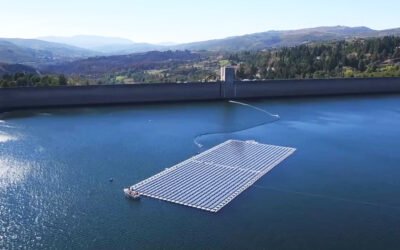
In the ever-evolving landscape of renewable energy technologies, hybrid FPV-Hydro plants are emerging as Europe’s leading innovation in the transition towards sustainable energy sources. Combining floating solar photovoltaics (FPV) with hydropower, these plants are revolutionizing the way we harness renewable energy. With the rising adoption of hybrid FPV-Hydro plants across Europe, it is essential to explore the key factors driving their success and the impact they are having on the continent’s energy sector.
Rising Adoption of Hybrid FPV-Hydro Plants in European Renewable Energy Sector
Europe has been at the forefront of renewable energy adoption, with countries like Germany, Spain, and the Netherlands leading the way in transitioning to cleaner energy sources. One of the key technologies driving this transition is hybrid FPV-Hydro plants, which offer a unique combination of solar and hydropower generation. These plants are particularly well-suited for countries with abundant water resources and a high solar potential, making them an attractive option for many European nations.
The implementation of hybrid FPV-Hydro plants in Europe has been steadily increasing in recent years, with several projects already operational and many more in the pipeline. These plants not only help to reduce greenhouse gas emissions but also provide a reliable source of renewable energy that can be integrated into the existing grid infrastructure. With the EU aiming to become climate-neutral by 2050, hybrid FPV-Hydro plants play a crucial role in achieving this ambitious goal and ensuring a sustainable future for generations to come.
Key Factors Driving the Success of Hybrid FPV-Hydro Plants in Europe’s Energy Transition
Several key factors contribute to the success of hybrid FPV-Hydro plants in Europe’s energy transition. Firstly, the cost-effectiveness of these plants compared to traditional energy sources like coal or gas makes them a compelling option for investors and policymakers. Additionally, the dual nature of these plants – harnessing both solar and hydropower – provides a more stable and reliable source of energy, reducing the reliance on intermittent sources like wind or solar alone.
Furthermore, the environmental benefits of hybrid FPV-Hydro plants cannot be overstated. By utilizing two renewable energy sources in tandem, these plants help to mitigate climate change, reduce air pollution, and preserve water resources. This holistic approach to energy generation aligns with the EU’s sustainability goals and contributes to a cleaner and greener future for Europe. With the continued advancement of technology and the increasing focus on renewable energy, hybrid FPV-Hydro plants are poised to play a significant role in Europe’s energy transition in the years to come.
As Europe continues to lead the way in renewable energy innovation, hybrid FPV-Hydro plants are set to become the cornerstone of the continent’s energy transition. By harnessing the power of both solar and hydropower, these plants offer a sustainable and reliable source of energy that is essential for achieving climate neutrality. With the right investments, policies, and technological advancements, hybrid FPV-Hydro plants have the potential to revolutionize the way we generate and consume energy, paving the way for a cleaner and more sustainable future.