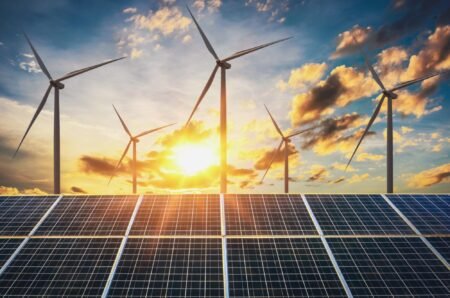



As the demand for renewable energy sources continues to grow, floating photovoltaic (PV) systems have emerged as a promising solution to maximize solar energy generation. However, concerns have been raised about the potential impact of these systems on aquatic ecosystems in Europe. In this article, we will explore the environmental impacts of floating PV systems on European aquatic ecosystems and debunk common misconceptions surrounding their effects on aquatic life.
Environmental Impacts of Floating PV Systems on European Aquatic Ecosystems
Floating PV systems have gained popularity in Europe due to their ability to utilize large bodies of water for solar energy generation. While these systems offer numerous benefits such as increased energy production and reduced land use, there are concerns about their impact on aquatic ecosystems. One key concern is the potential shading effect of floating PV panels, which can limit sunlight penetration into the water, affecting aquatic plant and algae growth.
Additionally, the installation of floating PV systems can alter the temperature of the water body, potentially impacting aquatic species that are sensitive to temperature changes. Changes in water temperature can disrupt the natural habitat of fish, amphibians, and other aquatic organisms, leading to shifts in biodiversity and ecosystem dynamics. It is essential for developers and policymakers to consider these environmental impacts when planning and implementing floating PV projects to mitigate potential harm to aquatic ecosystems.
Debunking Common Misconceptions: Floating PV’s Real Effects on Aquatic Life
Despite concerns about the environmental impact of floating PV systems on aquatic ecosystems, research has shown that these systems can coexist with aquatic life when properly designed and managed. Studies have demonstrated that the shading effect of floating PV panels can actually benefit certain aquatic species by providing shelter and reducing predation. Additionally, the presence of floating PV systems can create artificial reefs, attracting marine life and enhancing biodiversity in the water body.
Furthermore, floating PV systems have the potential to improve water quality by reducing evaporation and algae growth, leading to a healthier aquatic environment. By integrating floating PV systems with aquaculture practices, such as fish farming or algae cultivation, it is possible to create synergies that benefit both energy generation and aquatic ecosystems. It is crucial for stakeholders to understand the real effects of floating PV systems on aquatic life and work towards sustainable solutions that support both renewable energy goals and environmental conservation.
In conclusion, floating PV systems have the potential to play a significant role in Europe’s transition to renewable energy sources, offering a sustainable solution for maximizing solar energy generation. By addressing concerns about their impact on aquatic ecosystems and implementing best practices for design and management, floating PV projects can coexist harmoniously with aquatic life while contributing to the fight against climate change. It is essential for industry professionals, policymakers, and stakeholders to collaborate on innovative solutions that prioritize both renewable energy development and environmental protection in Europe.