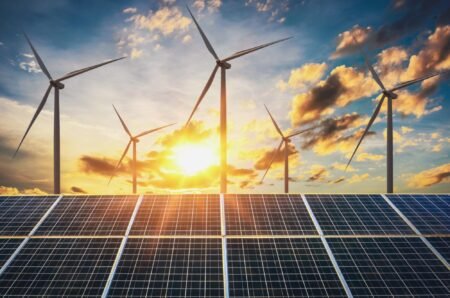



As the world looks to transition towards a more sustainable future, the importance of renewable energy sources such as solar power has become increasingly apparent. In Europe, the push for a circular economy approach has led to advancements in the recycling of solar modules, a crucial component of the photovoltaic (PV) supply chain. Scaling up solar module recycling is not only essential for reducing waste and environmental impact but also for ensuring a sustainable future for generations to come.
Europe’s Circular PV Supply Chain: Scaling Up Solar Module Recycling
With the rapid growth of solar installations across Europe, the need for an efficient and sustainable approach to module recycling has become more pressing. The European Union has taken a proactive stance on this issue by implementing new regulations and mandates aimed at increasing the recycling rates of solar modules. By establishing a circular PV supply chain, Europe aims to minimize the environmental impact of photovoltaic installations and maximize the reuse of valuable materials.
One of the key aspects of scaling up solar module recycling in Europe is the development of advanced recycling technologies and processes. Innovations in this field are crucial for efficiently recovering materials such as silicon, glass, and metals from end-of-life solar modules. By investing in research and development, European companies are able to improve the efficiency of recycling operations and reduce the environmental footprint of the PV supply chain. This not only benefits the environment but also creates new opportunities for the circular economy in the renewable energy sector.
Advancing Sustainability: Europe’s Transition to Circular PV Supply Chain
As Europe transitions towards a more sustainable energy future, the circular PV supply chain plays a vital role in advancing sustainability goals. By focusing on the recycling of solar modules, European countries can reduce their dependence on virgin materials and minimize the carbon footprint of solar installations. This shift towards a circular economy approach not only benefits the environment but also creates new business opportunities and job prospects in the renewable energy sector.
To further drive the transition to a circular PV supply chain, European governments are implementing new regulations and incentives to encourage the recycling of solar modules. By setting recycling targets and promoting the use of recycled materials in new PV installations, policymakers aim to create a more sustainable and resilient photovoltaic industry. With a concerted effort from industry stakeholders, policymakers, and consumers, Europe can lead the way in scaling up solar module recycling and building a more sustainable energy future for all.
In conclusion, Europe’s circular PV supply chain is a critical component of the transition towards a more sustainable energy future. By scaling up solar module recycling and adopting a circular economy approach, European countries can reduce waste, lower carbon emissions, and create new opportunities for the renewable energy sector. With advancements in recycling technologies and supportive government policies, Europe is well-positioned to lead the way in building a more sustainable and resilient photovoltaic industry. By working together towards a common goal, we can ensure a greener future for generations to come.