


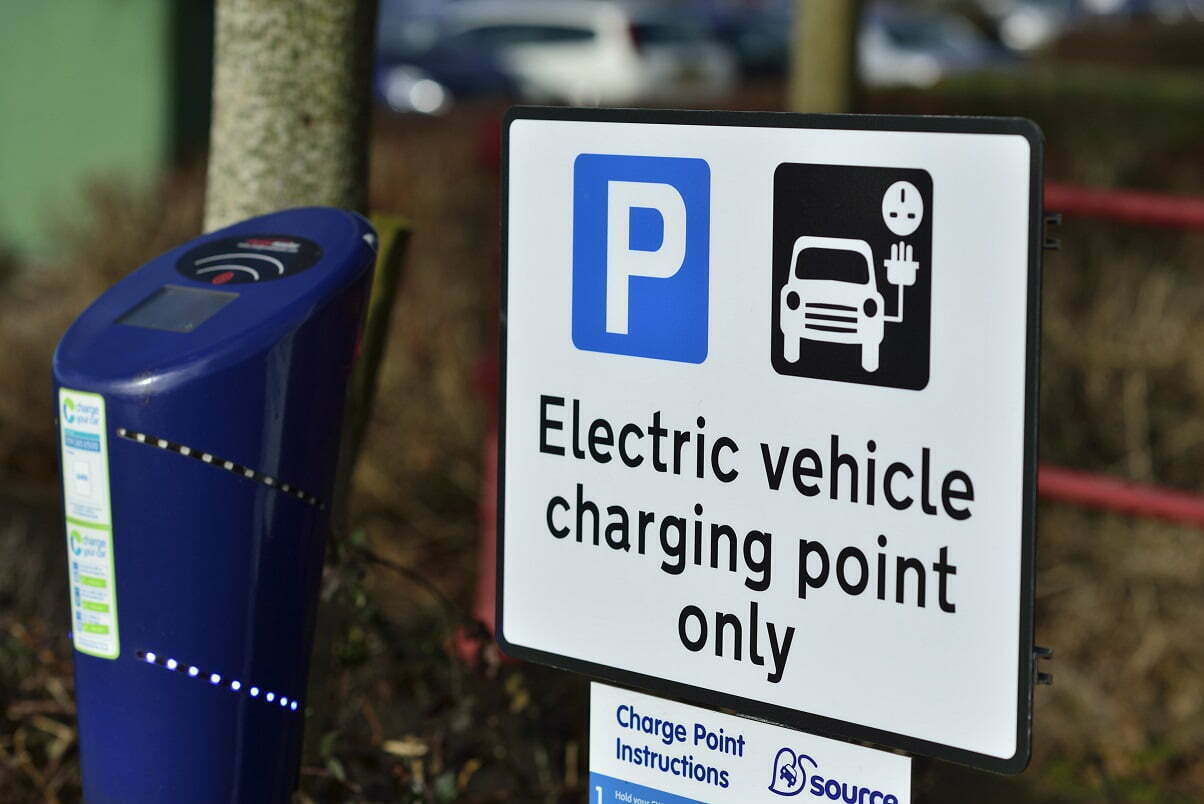
As the renewable energy sector continues to evolve, new technologies are emerging to optimize the integration of clean energy sources into the grid. One of the most promising innovations in this space is Vehicle-to-Grid (V2G) technology, which allows electric vehicles (EVs) to not only draw power from the grid but also to feed electricity back into it. By 2025, Europe is expected to see the first commercially viable V2G models, revolutionizing the way energy is managed and consumed in the region.
Emerging Vehicle-to-Grid Models in Europe by 2025
In 2025, European countries are set to witness the rollout of commercially viable V2G models that will transform the EV market and energy landscape. These models will enable EV owners to earn money by selling excess energy stored in their vehicle batteries back to the grid during peak demand periods. This not only benefits consumers by providing an additional revenue stream but also helps balance the grid and increase grid stability.
The commercial viability of V2G systems in European markets by 2025 will be driven by advancements in EV technology, battery storage capabilities, and grid infrastructure. With more EVs on the road equipped with bidirectional charging capabilities, the potential for V2G participation will increase significantly. Additionally, regulatory changes and incentives from governments will play a crucial role in encouraging the adoption of V2G systems among consumers and businesses. By 2025, V2G technology is expected to be a key component of the energy transition in Europe, offering a sustainable solution to grid management and energy storage challenges.
Commercial Viability of V2G Systems in European Markets
The commercial viability of V2G systems in European markets by 2025 will open up new business opportunities for utilities, energy aggregators, and EV manufacturers. These stakeholders can leverage V2G technology to optimize energy trading, enhance grid stability, and maximize revenue streams. By participating in V2G programs, EV owners can contribute to a more efficient and sustainable energy system while benefiting financially from their participation. With the right infrastructure and regulatory support, V2G systems have the potential to revolutionize the energy sector and accelerate the transition to a low-carbon economy in Europe.
In conclusion, the emergence of commercially viable V2G models in Europe by 2025 represents a significant milestone in the evolution of the energy sector. With the potential to transform the way energy is produced, consumed, and traded, V2G technology offers a sustainable solution to the challenges of grid management and energy storage. By embracing V2G systems, European countries can not only reduce their carbon footprint but also create new opportunities for innovation, collaboration, and economic growth in the renewable energy industry. By 2025, V2G technology is expected to be a game-changer in the European energy landscape, paving the way for a more sustainable and resilient future.