Bibby Marine’s eCSOV Promises Significant Fuel Savings and Pathway to Zero Emissions
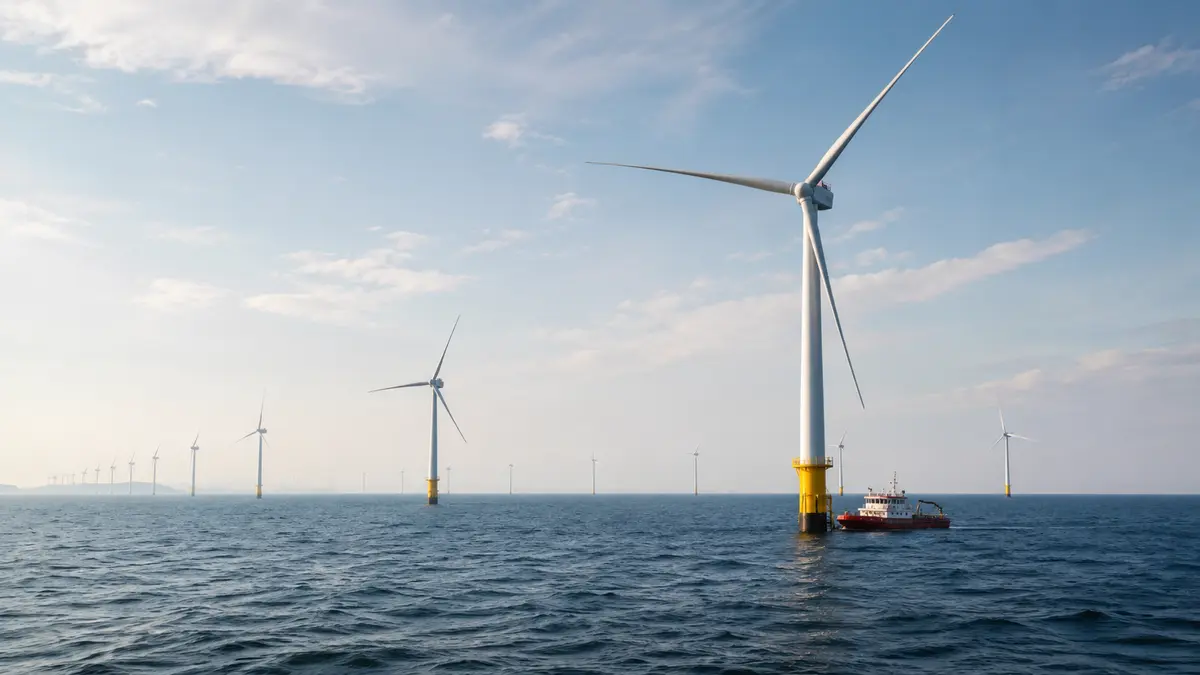
Bibby Marine has announced that its innovative electric commissioning service operation vessel (eCSOV) is set to achieve a remarkable reduction in fuel consumption, estimated at around 40% compared to traditional commissioning service operation vessels (CSOVs) from its first day in operation. This advancement not only highlights the vessel’s efficiency but also establishes a pathway towards zero-fuel operation as offshore charging infrastructure becomes more prevalent.
### Construction and Features of the eCSOV
Currently under construction at the Armon Shipyard in Vigo, Spain, the eCSOV is expected to commence operations in 2027. The vessel is designed with a battery-first approach, which allows it to operate primarily on battery power. This is complemented by dual-fuel generator sets that can run on methanol and marine gas oil (MGO). The design aims to optimise fuel usage while preparing for future advancements in charging capabilities.
### Addressing Misconceptions About Vessel Electrification
Kevin Brown, the Commercial Director at Bibby Marine, addressed common misconceptions regarding vessel electrification, stating, “One of the biggest misconceptions surrounding vessel electrification is that it only delivers value once offshore charging infrastructure is in place. That’s simply not the case.” This statement underscores the immediate benefits that the eCSOV can provide, even before the full implementation of offshore charging facilities.
### Operational Efficiency and Cost Reduction
The eCSOV’s design allows for onboard generators to operate at a more stable and efficient load, rather than constantly adjusting to fluctuating power demands. This operational strategy not only reduces fuel dependency but also contributes to lower operating costs and emissions. Bibby Marine emphasises that the vessel’s battery-first design is engineered to deliver substantial commercial advantages from the outset.
Brown elaborated, “The batteries provide the primary source of power, while onboard generators recharge the system at a steady, efficient load. That significantly reduces operating costs compared with conventional propulsion, while giving operators the flexibility they need today.” This approach positions the eCSOV as a forward-thinking solution in the maritime industry, particularly in the context of increasing environmental regulations and the push for sustainability.
### Future-Proofing with Charging Capabilities
In addition to its self-charging capabilities, the eCSOV is designed to be compatible with both onshore and offshore charging infrastructure as it becomes available. This adaptability is crucial for the transition towards zero-fuel operations, allowing the vessel to evolve alongside advancements in renewable energy and charging technologies.
### Conclusion
Bibby Marine’s eCSOV represents a significant step forward in the maritime sector, combining immediate fuel savings with a long-term vision for sustainability. As the industry moves towards greener practices, the eCSOV’s innovative design and operational efficiencies could set a new standard for commissioning service vessels, paving the way for a more sustainable future in offshore operations.
Source: Offshore Wind