Navigating the Financial Landscape of Agri-PV in the 2025 Renewable Energy Market
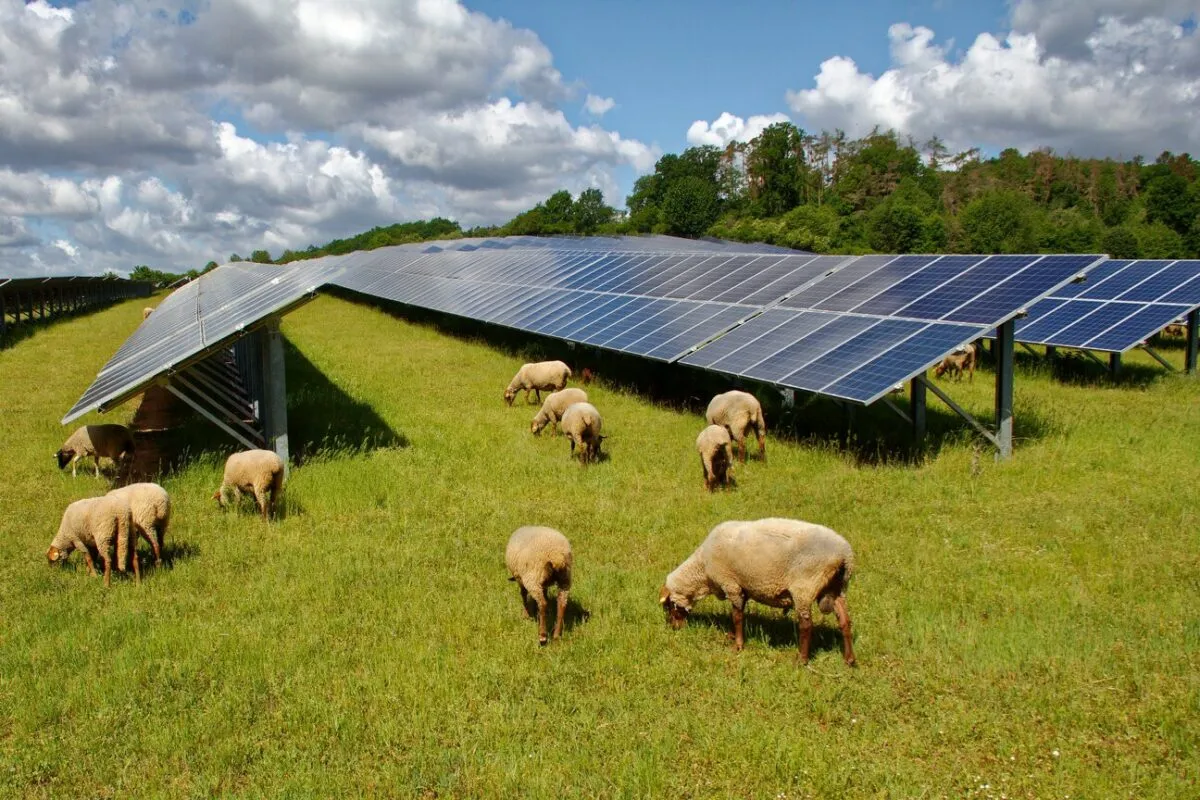
As the renewable energy market continues to evolve, the intersection of agriculture and photovoltaics (Agri-PV) has emerged as a promising avenue for sustainable energy production. In the year 2025, with the implementation of the Common Agricultural Policy (CAP) Reform and the concept of subsidy stacking gaining traction, navigating the financial landscape of Agri-PV investments becomes increasingly complex yet rewarding. This article delves into the financial strategies, implications of the new regulations, and investment opportunities in Agri-PV within the 2025 renewable energy market.
Examining Financial Strategies for Agri-PV Integration in the 2025 Renewable Energy Market
In 2025, the financial viability of Agri-PV projects hinges on a delicate balance of government subsidies, market incentives, and technological advancements. With the CAP Reform reshaping the agricultural sector, farmers are now presented with new opportunities to diversify their income streams through Agri-PV installations on their lands. By integrating solar panels with traditional farming practices, farmers can not only generate renewable energy but also benefit from additional revenue streams such as selling excess electricity back to the grid or participating in demand-response programs.
Moreover, subsidy stacking, the practice of combining multiple incentives and subsidies to maximize returns on investment, has become a focal point for Agri-PV developers and investors. By leveraging various schemes such as feed-in tariffs, premium prices for green energy, and tax credits, stakeholders in the Agri-PV sector can enhance project economics and accelerate the deployment of solar installations on agricultural lands. Understanding the intricacies of subsidy stacking and aligning them with project timelines and financial models will be crucial for ensuring the long-term success and sustainability of Agri-PV investments in the 2025 renewable energy market.
Analyzing the Impact of 2025 CAP Reform and Subsidy Stacking on Agri-PV Investment Opportunities
The 2025 CAP Reform plays a pivotal role in shaping the Agri-PV landscape by incentivizing farmers to adopt sustainable practices and embrace renewable energy technologies. With a focus on agroecology and climate-friendly farming methods, the CAP Reform encourages farmers to explore Agri-PV as a means of achieving environmental and economic sustainability. By providing direct payments, eco-schemes, and support for on-farm renewables, the CAP Reform creates a conducive environment for Agri-PV investments to flourish, positioning agriculture as a key player in the transition towards a low-carbon economy.
Furthermore, the combination of the CAP Reform with subsidy stacking opens up a myriad of investment opportunities for Agri-PV projects in the 2025 renewable energy market. By tapping into a diverse range of financial incentives and support mechanisms, developers can not only offset initial investment costs but also ensure long-term profitability and resilience in the face of market fluctuations. As Agri-PV continues to gain momentum as a sustainable energy solution, understanding the synergies between regulatory frameworks, financial instruments, and technological innovations will be essential for maximizing returns and driving growth in the Agri-PV sector.
In conclusion, the financial landscape of Agri-PV in the 2025 renewable energy market presents a dynamic yet lucrative environment for investors, developers, and farmers alike. By strategically navigating the complexities of subsidy stacking, leveraging the opportunities presented by the CAP Reform, and embracing innovative financing strategies, stakeholders in the Agri-PV sector can unlock the full potential of solar energy integration in agriculture. As the industry continues to evolve and regulations evolve, staying abreast of market trends, technological advancements, and policy changes will be key to driving sustainable growth and fostering a thriving Agri-PV ecosystem in the years to come.