
How Can We Help?
How Solar Power Works
What is Solar Power?
Solar power is the process of converting sunlight into electricity using solar panels. These panels are made up of photovoltaic (PV) cells that capture the sun’s energy and convert it into usable electricity. Solar power is one of the fastest-growing renewable energy sources in the world because it is abundant, sustainable, and relatively easy to harness.
With the advancement of solar technology, it has become increasingly affordable for homeowners and businesses to install solar panels, significantly reducing electricity bills and carbon footprints.
How Does Solar Power Work?
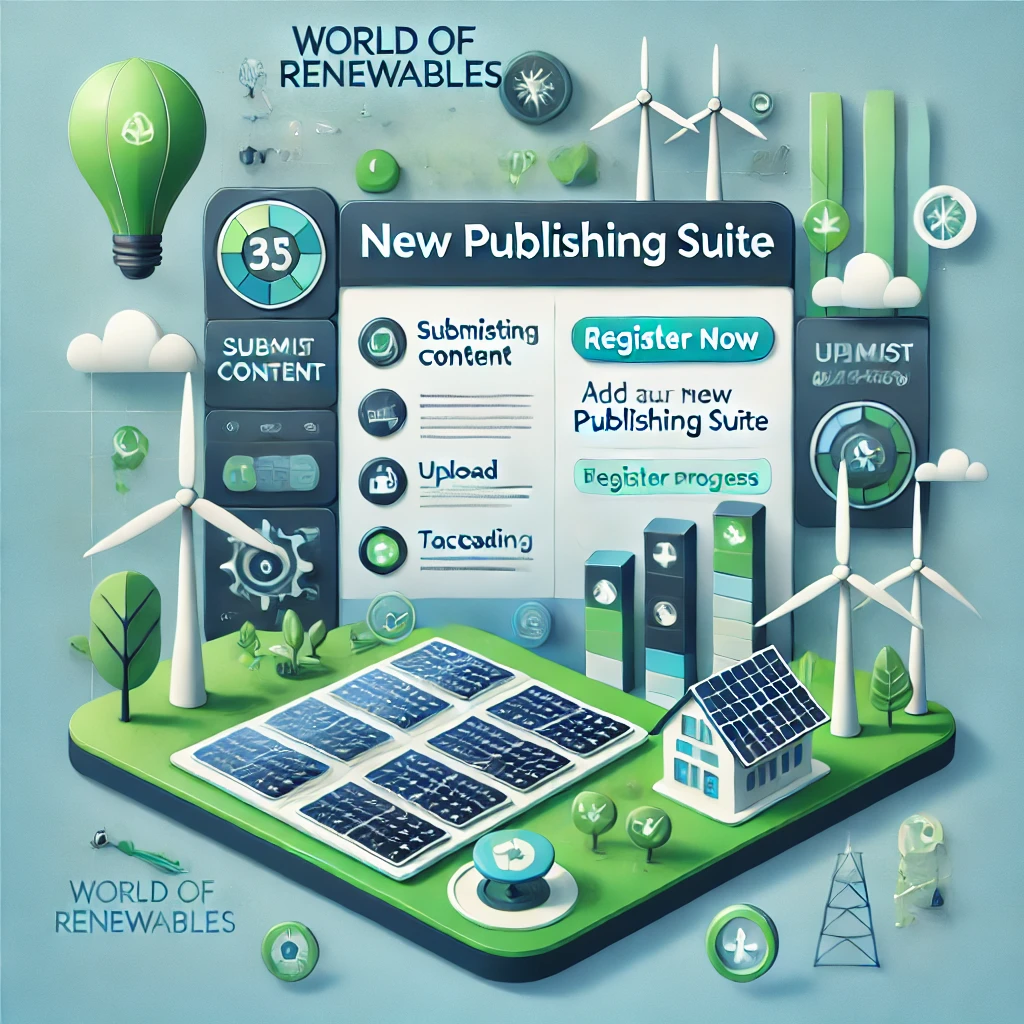
The process of harnessing solar power involves several key components that work together to capture sunlight and convert it into electricity. Here’s how it works:
- Solar Panels (Photovoltaic Cells)
Solar panels are the core of any solar power system. Made up of photovoltaic (PV) cells, these panels are designed to capture sunlight. The PV cells are made from semiconductor materials, typically silicon, which absorb sunlight and generate direct current (DC) electricity when exposed to light. - Inverter
The electricity produced by solar panels is in direct current (DC) form, but most of the appliances in your home or business use alternating current (AC) electricity. An inverter converts DC electricity into AC electricity, making it compatible with your electrical grid. - Electric Meter
When your solar power system is connected to the grid, an electric meter tracks how much electricity your solar panels produce and how much you consume from the grid. This allows for net metering, where excess energy produced by your solar panels can be sent back to the grid, potentially earning you credit on your electricity bill. - Energy Storage (Optional)
Many solar power systems include a battery storage solution. Batteries store excess energy produced during the day so it can be used at night or during cloudy periods. This is particularly useful in areas that don’t have net metering or if you want to be more energy independent. - Utility Grid
If your solar system generates more energy than you need, the excess electricity is sent back to the local utility grid. On the other hand, if your solar system isn’t producing enough electricity (e.g., at night), you’ll draw power from the grid.
Types of Solar Power Systems
There are different types of solar power systems, depending on how they are set up and what their goals are.
- Grid-Tied Solar System
A grid-tied system is connected to your local electricity grid. This type of system doesn’t require batteries because it draws electricity from the grid when necessary. It’s one of the most cost-effective solar power systems because you only need to pay for the installation of the panels and the inverter. - Off-Grid Solar System
An off-grid solar system is completely independent of the utility grid. It typically includes solar panels, an inverter, and battery storage to ensure you have power even when the sun isn’t shining. Off-grid systems are ideal for remote locations or areas where the grid is unavailable. - Hybrid Solar System
A hybrid solar system combines the benefits of both grid-tied and off-grid systems. It uses both battery storage and the grid, allowing you to store excess energy and draw from the grid when needed. This type of system is ideal for homeowners who want backup power while still being connected to the grid.
Benefits of Solar Power
- Sustainability
Solar power is a clean, renewable resource that helps reduce reliance on fossil fuels. Solar energy doesn’t produce harmful emissions, making it one of the most environmentally friendly ways to generate electricity. - Cost Savings
While the initial cost of installing solar panels can be significant, the long-term savings can be substantial. Once installed, solar panels can significantly reduce or even eliminate electricity bills, depending on the size of your system and local energy prices. In some cases, governments offer tax credits or incentives to make installation more affordable. - Energy Independence
Solar energy allows homeowners and businesses to become less reliant on the grid, providing energy security and stability. With battery storage, you can store energy for use at night or during cloudy weather. - Low Maintenance
Solar power systems are relatively low-maintenance. After installation, solar panels require little maintenance beyond occasional cleaning to remove dust or debris. Most solar panels come with warranties of 20 years or more, ensuring their longevity. - Increase in Property Value
Installing solar panels can increase the value of your property. Homes with solar energy systems are often more attractive to buyers because they offer lower utility costs and environmental benefits.
Common Misconceptions About Solar Power
- “Solar Panels Only Work in Sunny Areas”
While solar panels work best in areas with lots of sun, they can still produce electricity on cloudy days. Solar panels are designed to capture both direct and diffuse sunlight, so even in less sunny regions, they can generate significant energy. - “Solar Power is Too Expensive”
The upfront cost of installing solar panels can be high, but costs have dropped significantly over the past decade. Additionally, the long-term savings on energy bills, combined with available incentives and financing options, can make solar more affordable than you think. - “Solar Panels Require a Lot of Maintenance”
Solar panels are low-maintenance and generally only need to be cleaned a couple of times a year to remove dirt or debris. There are no moving parts, and the systems are built to withstand harsh weather conditions.
Is Solar Power Right for You?
Solar power is an excellent choice for many homeowners and businesses, but it may not be suitable for everyone. Factors like the amount of sunlight your location receives, the size of your roof, and your energy needs should all be considered when deciding if solar is the right option for you. A professional solar installer can help you assess your home or business to determine if solar power is a viable solution.
Conclusion
Solar power is one of the most promising renewable energy sources available today. By harnessing the power of the sun, we can reduce our reliance on fossil fuels, lower our electricity costs, and contribute to a more sustainable future. Whether you’re looking to install solar panels at home, at your business, or simply learning about the technology, understanding how solar power works is the first step toward making a difference.
